






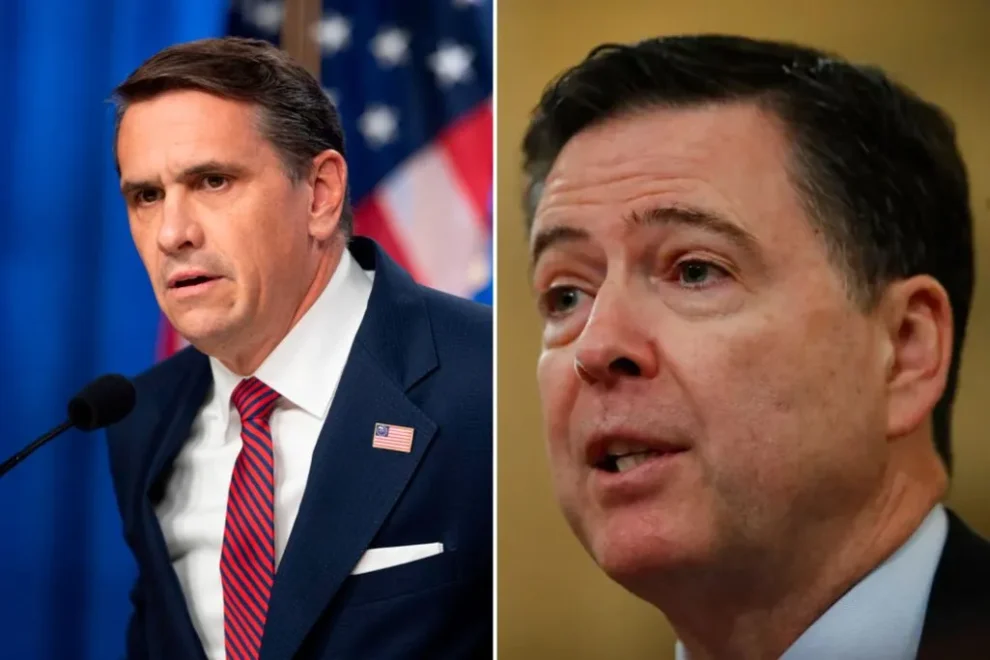
The Justice Department is examining whether to bring a fresh round of criminal charges against former FBI Director James Comey tied to alleged leaks of classified information, according to a new report citing two sources familiar with the matter.
Prosecutors in the Eastern District of Virginia have in recent weeks revived a previously dormant investigation into Comey’s handling of sensitive materials and his interactions with Daniel Richman, a longtime confidant who received documents that later informed media reporting. The inquiry had been reviewed and set aside last year but is now back in active circulation amid internal discussions about whether to seek an indictment, Bloomberg reported on Thursday.
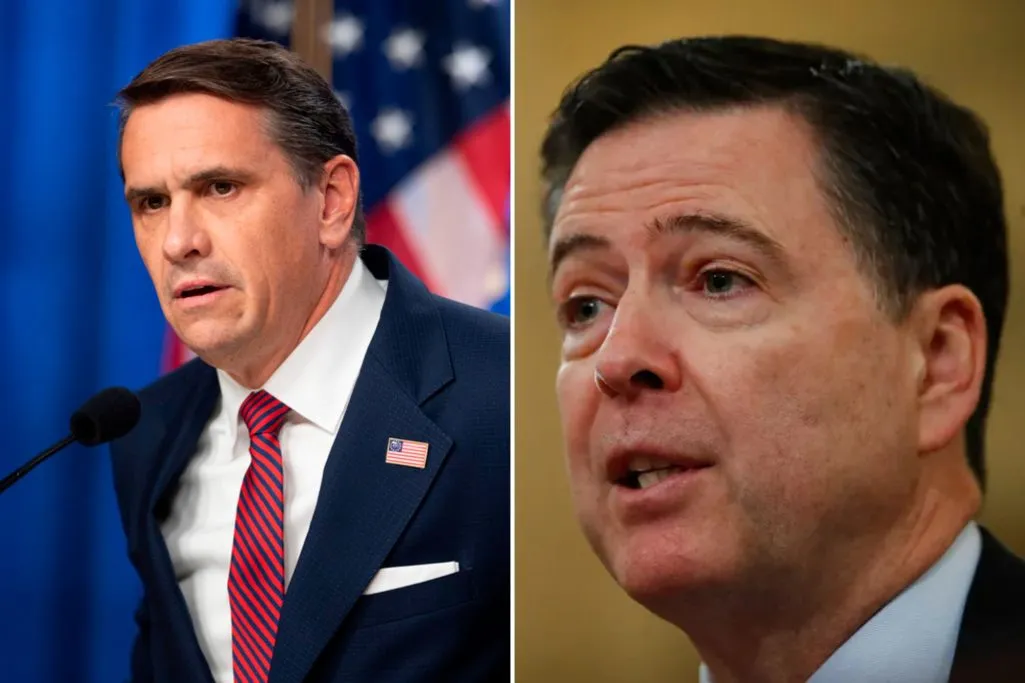
If charges move forward, it would represent the third time federal prosecutors have sought to indict Comey since last fall, an aggressive posture that has accelerated since Todd Blanche took over as acting attorney general. People familiar with the matter described a series of recent meetings involving senior DOJ leadership and a small group of Virginia-based prosecutors focused on the classified information angle.
No final decision has been made on whether to present the case to a grand jury, Bloomberg reported. Officials are also weighing where any charges would be filed, with possible venues including Virginia, where Comey resides, or New York, where Richman is based.
The renewed inquiry comes just days after Comey was indicted in the Eastern District of North Carolina over a separate case tied to his “86 47” social media post, which prosecutors characterized as a threat against President Donald Trump. The charging document alleges a criminal threat against a president and transmitting threats in interstate commerce. If convicted, Comey faces up to 10 years in prison.
The Virginia investigation traces back to Comey’s disclosure of memos and related materials to Richman during his tenure as FBI director, some of which became the basis for a 2017 New York Times article. Trump has repeatedly accused Comey of acting as a leaker, a claim that has remained central to political and legal debates surrounding his conduct after leaving office.
The relationship between Comey and Richman is not incidental to the case — it was central to the government’s theory in its indictment of Comey last fall. According to a declassified FBI memorandum, previously released by Sen. Chuck Grassley (R-IA), Comey personally arranged for Richman to be designated a Special Government Employee, giving him access to classified information despite operating outside the bureau’s formal chain of command. That structure allowed Comey to communicate sensitive information through a trusted intermediary.
Those same records indicate Richman was used as a conduit to shape media narratives during the politically volatile period surrounding the Hillary Clinton email investigation, which Comey concluded without recommending criminal charges despite finding Clinton and her team were “extremely careless” in their handling of sensitive and classified information.
In particular, investigators examined how Richman interacted with reporters following Comey’s decision to publicly announce the FBI’s conclusions from the Clinton investigation in 2016, including references to disputed intelligence involving then–Attorney General Loretta Lynch. In the indictment against Comey from last September, these interactions were directly relevant to whether Comey later gave truthful testimony to Congress about authorizing leaks.
That issue has been amplified by evidence drawn from the FBI’s 2017 leak inquiry, codenamed Arctic Haze, which prosecutors have increasingly relied on in related cases. Materials from that investigation, including communications involving Richman, have been cited to challenge Comey’s sworn 2020 testimony that he never authorized anyone to serve as an anonymous source for the media, and they were central to the September indictment.
Richman’s dual role as both a recipient of information and, at one point, Comey’s legal representative has also raised additional questions about privilege and possible conflicts.
That earlier attempt to prosecute Comey in Virginia ended unsuccessfully last year when a judge dismissed charges alleging he made false statements to Congress about his interactions with the media. The DOJ is still appealing that ruling, which was procedural and not related to the strength of the evidence against Comey.
Comey, who declared Tuesday that he is “still innocent,” appeared in court in Virginia this week in connection with his growing list of legal battles, accompanied by family members, including his daughter, Maurene Comey.
JAMES COMEY POSTS VIDEO IN RESPONSE TO NEW INDICTMENT
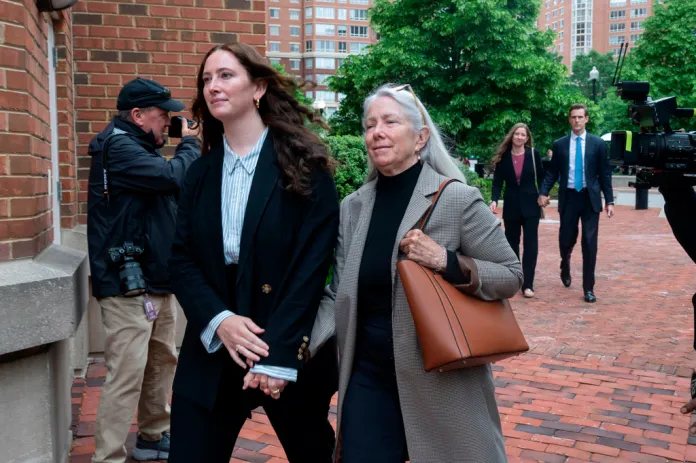
His daughter’s public appearance came shortly after a judge allowed her lawsuit challenging her dismissal from the U.S. Attorney’s Office for the Southern District of New York to move forward, adding a parallel legal track involving the Comey family.
A DOJ representative declined to comment on the record about the status of the investigation.


