







Gov. Abigail Spanberger (D-VA) and national Democrats are asking voters to send a message to President Donald Trump next week by passing a mid-decade redraw of Virginia’s congressional map — but doing so could come at the cost of the state’s clout in Washington.
A Democratic-led constitutional amendment on Tuesday’s ballot would allow mid-decade redistricting, transforming Virginia’s 6-5 Democratic split into a 10-1 Democratic lock.
Spanberger and allies have framed the push as a direct response to Republican-led redistricting efforts in states such as Texas, casting the referendum as a chance for Virginians to push back against what they describe as an emerging GOP power grab.
“Virginians have the opportunity to respond to the actions of other states and a President who says he’s ‘entitled’ to more GOP seats in Congress,” Spanberger wrote on X.
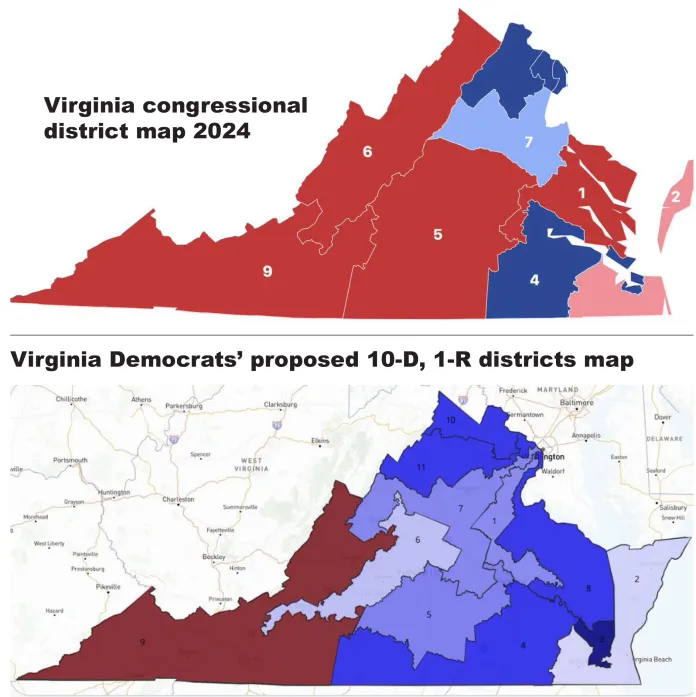
Republicans have been spending heavily in hopes of defeating the ballot measure, as the race appears tight. A recent poll from George Mason University’s Schar School of Policy and Government shows the amendment winning by only 5 points, despite Democrats having raised more than $50 million for the effort.
“Virginia is what Colorado was: a red state-turned purple state-turned blue state. If the Democratic gerrymander passes, it doesn’t just shift seats; it wipes out the bench,” GOP strategist Dennis Lennox told the Washington Examiner.
“It becomes impossible to win again, no matter how favorable national trends are, because you simply can’t beat the map,” he continued.
But beyond the partisan stakes, the shift could come at a cost to Virginia itself — the loss of lawmakers with seniority and key committee posts who help steer federal funding and advantageous policy to the state.
Seniority and committee power
The most immediate impact would be the loss of senior lawmakers positioned to shape major legislation and funding priorities.
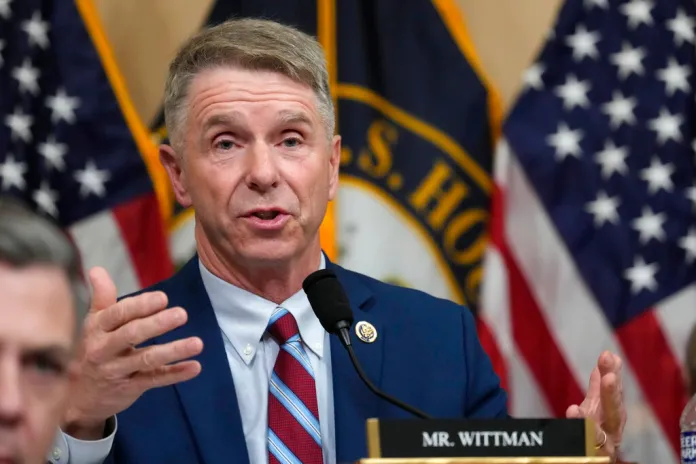
Rep. Rob Wittman (R-VA), who has served in the House since 2007, is the vice chair of the House armed services committee. The perch allows him to champion Virginia’s large naval base economy and gives him direct influence over Pentagon policy.
Wittman’s influence could only grow if he returns to Congress. Before the redistricting amendment was put forward, Wittman was seen as a likely contender for the top spot on the armed services committee if the current chair, Rep. Mike Rogers (R-AL), did not stay on. Rogers is technically term-limited from the spot because of internal House GOP conference rules, but he could seek a waiver.
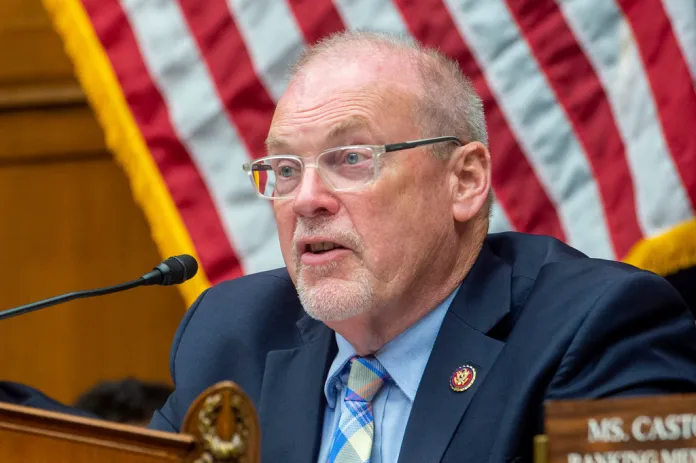
Rep. Morgan Griffith’s heavily Republican seat is the only one that would largely remain intact if the gerrymander passes. Yet, Griffith would likely be placed in the same district as the homes of Reps. John McGuire and Ben Cline — potentially setting up a competitive primary if all three opt to run against one another.
Griffith is a senior member of the House energy and commerce committee, leading its health subcommittee. The spot gives Griffith sway over healthcare policy, which is a major part of Virginia’s economy.
Control over federal spending
Beyond seniority, Virginia could lose direct influence over how federal dollars are allocated, which the state’s economy heavily relies upon.
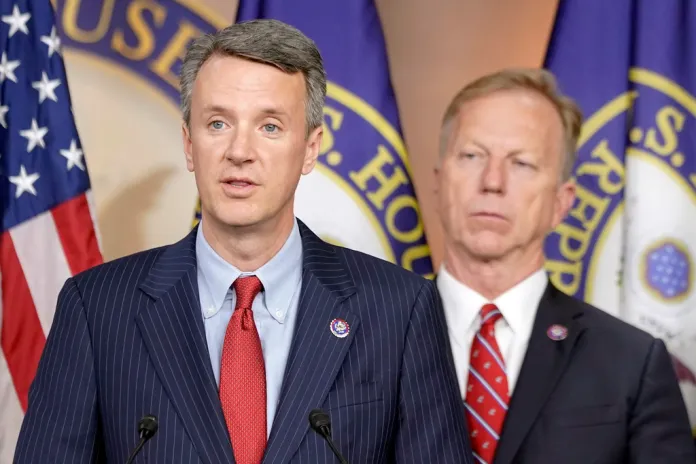
Cline, who has served in Congress since 2019, is the only member from Virginia’s congressional delegation who serves on the powerful appropriations committee. This year, Cline secured an additional $17 million to widen an interstate in western Virginia. He also serves on the House intelligence committee, the judiciary committee, and the budget committee.
Cline’s influence would only likely grow in the next Congress as he’s already been elected to lead the Republican Study Committee; the RSC chairman has a strong role in helping shape messaging and policy. The RSC is the largest internal caucus among House Republicans, with more than 180 lawmakers.
Bipartisan dealmaking
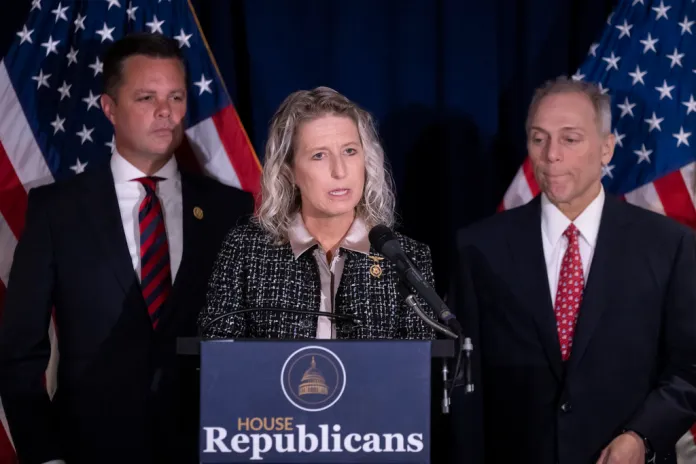
Virginia could also lose members who have carved out influence through bipartisan work and issue-specific advocacy.
Rep. Jen Kiggans (R-VA) is only in her second term but has worked across the aisle on veterans’ issues. A former Navy pilot and nurse, Kiggans has focused most of her legislative priorities on veterans’ bills, as she represents a state with one of the largest veteran populations in the country.
Kiggans, however, is in a tough seat and is not assured of re-election even if the gerrymander fails. In 2024, President Donald Trump carried her distict by only 0.2% over former Vice President Kamala Harris.
Access in Trump’s Washington
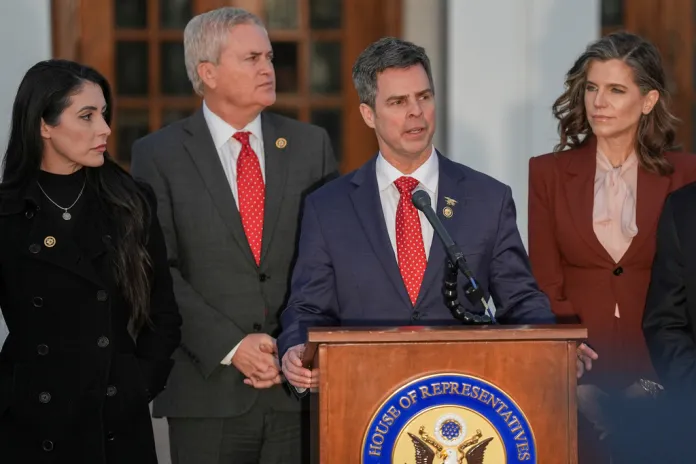
Perhaps most significantly, the gerrymander could limit Virginia’s access to the White House and the broader Trump administration.
VIRGINIA REDISTRICTING REFERENDUM TIGHTENS INTO A DEAD HEAT AS EARLY VOTING SURGES
Even a freshman, like Rep. John McGuire, is likely to have calls returned more quickly from the administration than Democrats, especially ones who have called for Trump’s impeachment and threatened to obstruct his agenda.
With fewer Republicans in its delegation, Virginia could find itself with less direct access to decision-makers — particularly in a second Trump administration where relationships with GOP lawmakers often drive outcomes.


