







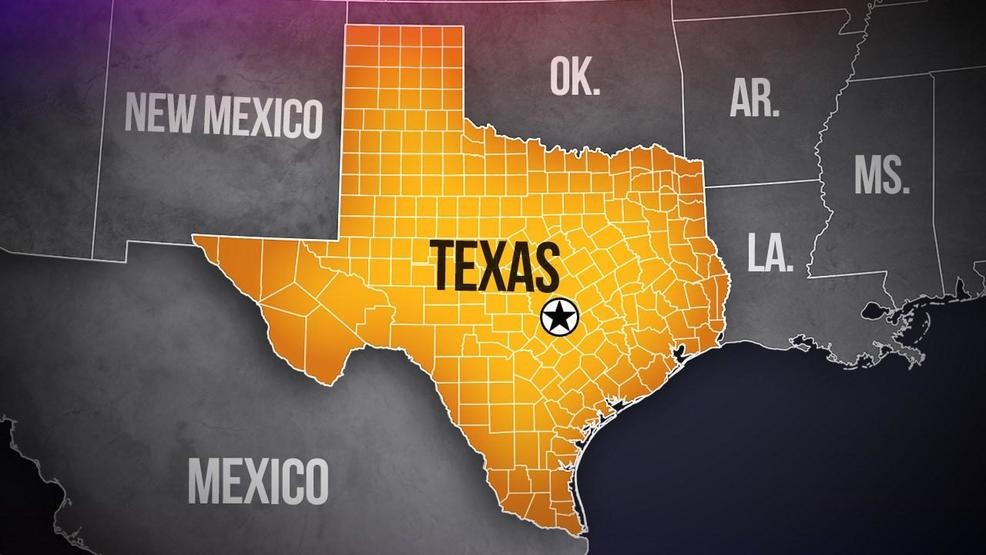
The gap between Texas’ Hispanic and white populations continued to narrow last year when the state gained almost nine Hispanic residents for every additional white resident.
With Hispanics expected to become the largest population group in Texas as soon as 2022, new population estimates released Thursday by the U.S. Census Bureau showed the Hispanic population climbed to nearly 11.4 million — an annual gain of 214,736 through July 2018 and an increase of 1.9 million since 2010.
Halima Salman convicted of receiving ISIS military training in Syria, faces 10 years in prison
Harley-Davidson’s Decade-Long Electric Motorcycle Initiative Has Turned Disastrous
Rock Legend Donnie Iris Dies Less Than Three Weeks After Retiring from Performing
Federal officials identify 400 noncitizens registered to vote in Washington state: ‘Tip of the iceberg’
Cassidy Hutchinson avoids indictment after DOJ effort to charge her over Jan 6 testimony fails: sources
Man accused of threatening to hijack United flight says it was a drunken joke
Watch: Outrageous Pro-El-Sayed Ad Blames Jewish State for Raising Price of Bananas, Eggs in Michigan
Haitian illegal immigrant charged in Walmart killing entered US via Biden parole program: DHS
Flavio Bolsonaro to be issued visa by State Department after fleeing Brazil
Right-Wing Presidential Candidate Flavio Bolsonaro Secretly Flees Brazil for US After Disputed Election: Report
Luxury real estate brothers sentenced to 30 years in prison for yearslong sex-trafficking scheme
Judge who apologized to accused would-be Trump assassin lights up DOJ in Hunter Biden FBI case
Jordanian Military Goes After Targets in Syria in Response to Terrorists Killing Christians
‘Beloved’ daredevils who scaled Empire State Building inching toward deal after proposal stunt: attorney
Judge slams federal prosecutors over new charges against ex-FBI officials
The white population, meanwhile, grew by just 24,075 last year. Texas still has a bigger white population — up to 11.9 million last year — but it has only grown by roughly 484,000 since 2010. The white population’s growth has been so sluggish this decade that it barely surpassed total growth among Asian Texans, who make up a tiny share of the total population, in the same time period.
The estimates come as lawmakers begin to sharpen their focus on the 2021 redistricting cycle, when they’ll have to redraw the state’s congressional and legislative maps to account for population growth. And they highlight the extent to which the demographics of the state continue to shift against the Republican Party.
During the last go-around, which is still being litigated in federal court, Hispanics accounted for about 65% of the state’s growth. With about two years of growth left to go, their share of Texas’ population increase since 2010 reached 54% last July.
Halima Salman convicted of receiving ISIS military training in Syria, faces 10 years in prison
Harley-Davidson’s Decade-Long Electric Motorcycle Initiative Has Turned Disastrous
Rock Legend Donnie Iris Dies Less Than Three Weeks After Retiring from Performing
Federal officials identify 400 noncitizens registered to vote in Washington state: ‘Tip of the iceberg’
Cassidy Hutchinson avoids indictment after DOJ effort to charge her over Jan 6 testimony fails: sources
Man accused of threatening to hijack United flight says it was a drunken joke
Watch: Outrageous Pro-El-Sayed Ad Blames Jewish State for Raising Price of Bananas, Eggs in Michigan
Haitian illegal immigrant charged in Walmart killing entered US via Biden parole program: DHS
Flavio Bolsonaro to be issued visa by State Department after fleeing Brazil
Right-Wing Presidential Candidate Flavio Bolsonaro Secretly Flees Brazil for US After Disputed Election: Report
Luxury real estate brothers sentenced to 30 years in prison for yearslong sex-trafficking scheme
Judge who apologized to accused would-be Trump assassin lights up DOJ in Hunter Biden FBI case
Jordanian Military Goes After Targets in Syria in Response to Terrorists Killing Christians
‘Beloved’ daredevils who scaled Empire State Building inching toward deal after proposal stunt: attorney
Judge slams federal prosecutors over new charges against ex-FBI officials
The Hispanic community is growing in numbers across the state. But 47% of Texas Hispanics now live in the state’s five biggest counties — Harris, Bexar, Dallas, Tarrant and Travis. Home to Houston, Harris County leads that list with more than 2 million Hispanic residents. But Hispanic growth since 2010 continues to be most significant in Tarrant County.
With a growth rate of 26%, the Hispanic population in Tarrant County reached 609,236 last year — up from 482,977 in 2010.
But while Hispanics’ numbers are growing the most, the state’s Asian community is growing the fastest.
The number of black Texans continues to grow, but their share of the state’s population has remained mostly stagnant in recent years, at around 12%. Nationally, Harris County had the largest increase in black residents, gaining 14,017 people last year.
Halima Salman convicted of receiving ISIS military training in Syria, faces 10 years in prison
Harley-Davidson’s Decade-Long Electric Motorcycle Initiative Has Turned Disastrous
Rock Legend Donnie Iris Dies Less Than Three Weeks After Retiring from Performing
Federal officials identify 400 noncitizens registered to vote in Washington state: ‘Tip of the iceberg’
Cassidy Hutchinson avoids indictment after DOJ effort to charge her over Jan 6 testimony fails: sources
Man accused of threatening to hijack United flight says it was a drunken joke
Watch: Outrageous Pro-El-Sayed Ad Blames Jewish State for Raising Price of Bananas, Eggs in Michigan
Haitian illegal immigrant charged in Walmart killing entered US via Biden parole program: DHS
Flavio Bolsonaro to be issued visa by State Department after fleeing Brazil
Right-Wing Presidential Candidate Flavio Bolsonaro Secretly Flees Brazil for US After Disputed Election: Report
Luxury real estate brothers sentenced to 30 years in prison for yearslong sex-trafficking scheme
Judge who apologized to accused would-be Trump assassin lights up DOJ in Hunter Biden FBI case
Jordanian Military Goes After Targets in Syria in Response to Terrorists Killing Christians
‘Beloved’ daredevils who scaled Empire State Building inching toward deal after proposal stunt: attorney
Judge slams federal prosecutors over new charges against ex-FBI officials
The estimates also showed that Texas continues to be a fairly young state. The country’s median age increased to 38.2 in 2018, compared with 37.2 in 2010. In Texas, the median age sits at 34.8, up from 33.6 in 2010.
Story cited here.


