




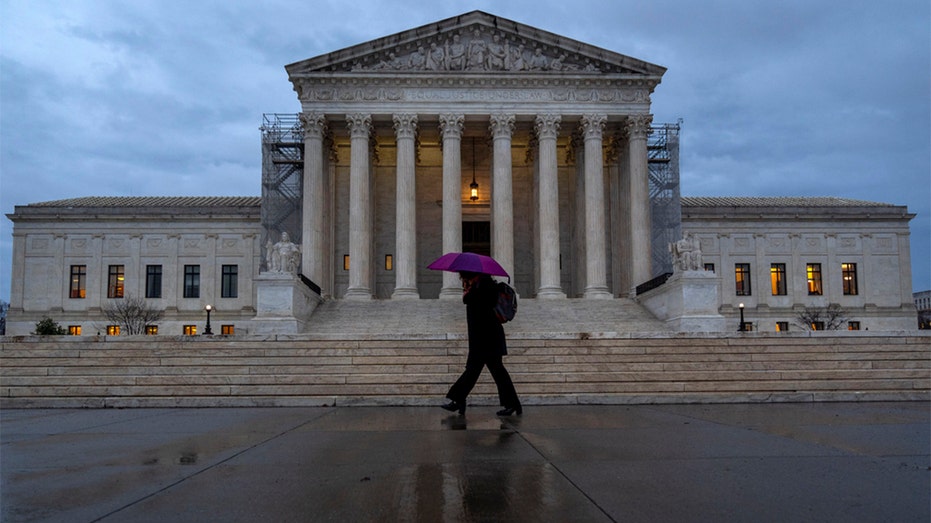
The Supreme Court on Friday agreed to hear oral arguments over the legality of President Donald Trump’s executive order to end birthright citizenship in the U.S. — a high profile case that, if enacted, would have profound impacts on the lives of millions of Americans and lawful U.S. residents.
Trump signed an executive order on his first day back in office in January that would end birthright citizenship to children born to undocumented parents in the U.S., or parents who have lawful but temporary status in the country.
The order seeks to clarify the 14th Amendment, which states, “All persons born or naturalized in the United States, and subject to the jurisdiction thereof, are citizens of the United States and of the State wherein they reside.”
More than 22 U.S. states and immigrants’ rights groups have sued the Trump administration to block the change to birthright citizenship, arguing in court filings that the executive order is both unconstitutional and “unprecedented.”
And to date, no court has sided with the Trump administration’s executive order seeking to ban birthright citizenship, though multiple district courts have blocked it, including in the wake of the Supreme Court ruling on a similar matter.
This is a breaking news story. Check back for updates.


