







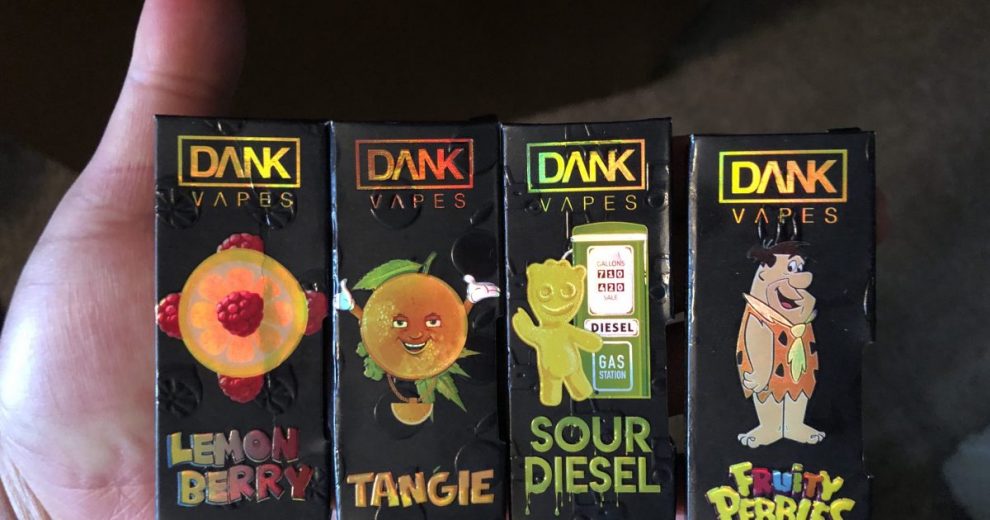
According to a new report on patients in Illinois and Wisconsin who experienced severe respiratory illnesses after vaping, 83 percent admitted using black-market cannabis products. While 17 percent said they had used nicotine only, some of them may have been reluctant to admit using illegal drugs, and it’s not clear that any of them were using standard e-cigarettes.
These findings cast further doubt on the wisdom of general warnings about “vaping” and “e-cigarettes,” which imply that legal nicotine products are implicated in these cases. Such warnings may encourage former smokers who are now vaping to start smoking again, a decision that exposes them to much greater health risks.
The new study, reported Friday in The New England Journal of Medicine, focused on 53 patients who had vaped within 90 days of their symptoms, typically within the previous week. Their median age was 19, and nearly a third were younger than 18. Among the 41 patients who were “extensively interviewed,” 80 percent reported using THC products, 7 percent mentioned CBD products, and 17 percent said they had vaped nicotine only. The authors note that “information on product use is based on reports by the patients, and patients may be reluctant to report illicit drug use.”
The description of the vapes used by the patients indicates that most were black-market products represented as containing cannabis extracts. “Patients reported using 14 distinct brands of THC products and 13 brands of nicotine products in a wide range of flavors,” the researchers say. “The most common THC product that was reported was marketed under the ‘Dank Vape’ label (reported by 24 of 41 interviewed patients [59%]). Patients reported use of a number of different e-cigarette devices to aerosolize these products.”
It’s not clear whether any of the products in the THC-only cases were closed-system devices such as Juul, as opposed to refillable vaporizers. Nor is it clear whether the cartridges or e-liquids used in the devices were legally produced, illegal knockoffs, DIY solutions, or mystery fluids concocted by third-party suppliers.
Report: Foreign National Accused of Running Over Teen and Leaving Him to Die Was Given Visa by Biden Admin
Abortion, ICE and socialism spark fireworks in swing state governor debate: 5 top moments
Kansas Senate rivals distance themselves from party leaders in fiery debate
Omar Wouldn’t Say For Sure Her Ex-Husband Wasn’t Her Brother: ‘Not to My Knowledge’
Omar Wouldn’t Say For Sure Her Ex-Husband Wasn’t Her Brother: ‘Not to My Knowledge’
Mass firings vow sparks clash with Klobuchar over Walz fraud legacy
Trump dominates El-Sayed’s attacks against Rogers, but GOP rival offers unexpected policy split
Trump warns Democrats ‘want to burn it all down’ in South Carolina pitch
Abdul el Sayed, Mike Rogers clash over MAGA, Muslim Brotherhood in final Michigan Senate debate
ICE crackdown divides swing state candidates as GOP nominee vows to mandate sheriff cooperation
Florida attorney accused of threatening to shoot ICE agents while trying to buy gun
Did Vivek Ramaswamy Go Too Far? Some Republicans Object as He Doubles Down on Controversial Attack Ad
Is ‘Ilhan Omar’ a Fake Name? New Court Filing Identifying Omar’s Alias Has Americans Questioning Her Real Name
El-Sayed erupts at GOP rival over Muslim Brotherhood accusations in fiery Senate debate
California Driver Crashed While Watching X-Rated Content – Police Say She Killed a Retired Sunday School Teacher
At last count, the U.S. Centers for Disease Control and Prevention had identified “over 450 possible cases,” including five fatalities, in which pulmonary diseases may have been caused by vaping. Data from California and New Mexico, like the Illinois and Wisconsin cases analyzed in the NEJM study, point to THC products as the main issue.
E-cigarettes have been in wide use for years, while these cases have cropped up only recently. It therefore seems likely that the agents responsible for the symptoms are relatively new.
The theory currently favored by public health officials investigating lung diseases among vapers, The New York Times notes, is that “some dangerous chemical or combination of chemicals has been introduced into the pipeline of vaping products.” Investigators “believe that when people vape this noxious cocktail, it sets off a dangerous, even lethal, reaction inside the lungs.” They “have said repeatedly that they do not yet know which substance or device may be causing this reaction, and that is the subject of their urgent investigation.”
One possible culprit, identified in most samples of cannabis extracts tested by the Food and Drug Administration (FDA) and health officials in New York, is vitamin E acetate, an oil-based nutritional supplement that may be dangerous when inhaled. “Legally sold nicotine based e-cigs are not harmless,” former FDA chief Scott Gottlieb said on Twitter last week. “But most of these severe cases, so far, appear to be symptoms that can occur when either oils or lipid-containing substances enter lungs. This points to illegal products that are being cut with dangerous chemicals as a culprit.”
Legitimate e-liquids are generally based on chemicals that are water soluble, not oils that can cause acute lung injury. High levels of vitamin E acetate were found in nearly all cannabis-containing vapes tested by NYS Department of Health. Nobody should use illegal vape products
— Scott Gottlieb, MD (@ScottGottliebMD) September 7, 2019
Source: Reason.com


