


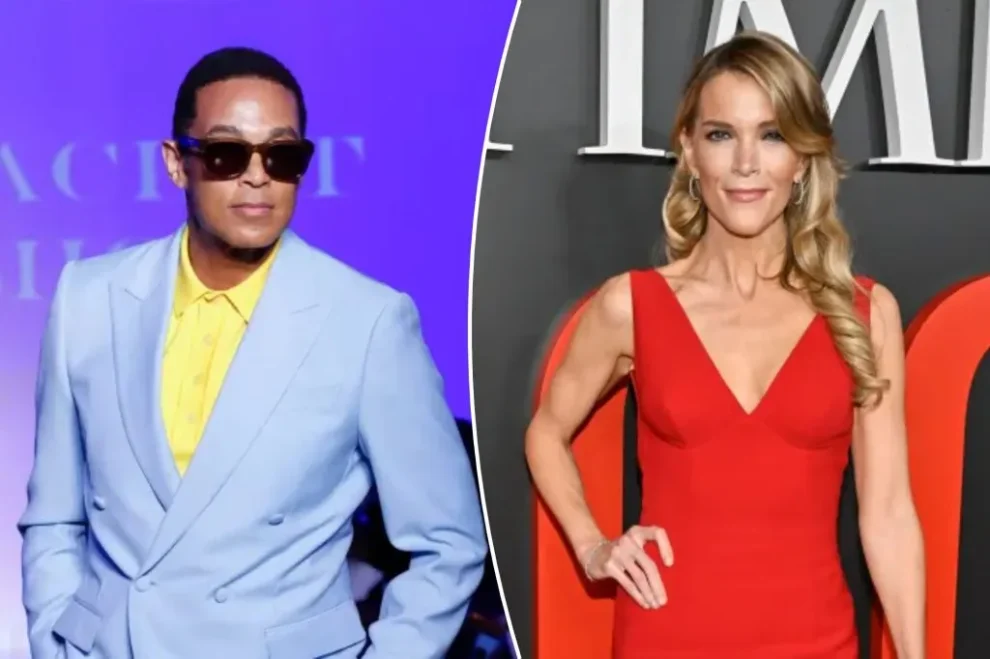
A Minnesota federal magistrate judge’s refusal to approve criminal charges against former CNN broadcaster Don Lemon has drawn scrutiny amid questions about the judge’s potential conflict of interest, as the Justice Department says it will continue pursuing the people who targeted a Christian church in St. Paul “to the ends of the Earth.”
U.S. Magistrate Judge Douglas Micko declined this week to sign off on a criminal complaint sought by federal prosecutors against Lemon in connection with a protest that disrupted a Sunday worship service at a St. Paul church. The decision to reject charges is rare in federal criminal practice, where magistrate judges almost always approve arrest warrants and complaints given the low evidentiary bar at the probable-cause stage.
Micko’s decision quickly drew attention after Fox News’s Bill Melugin reported that the judge’s apparent wife, Caitlin Micko, serves as an assistant attorney general in the office of Minnesota Attorney General Keith Ellison, a Democrat who has publicly rejected the DOJ’s legal theory in the case.
NEW: Multiple sources tell me & colleague @davidspunt that the federal magistrate in Minnesota who refused to sign off on an arrest warrant for Don Lemon is Douglas L. Micko and that his wife works as an Assistant Attorney General in Minnesota AG Keith Ellison’s office.
— Bill Melugin (@BillMelugin_) January 22, 2026
A review of LinkedIn confirms a person by that name holds that position in the Minnesota Attorney General’s Office, though the Washington Examiner has not independently confirmed that the two are married.
Rebeccah Parks, a representative from Micko’s chambers, did not dispute whether the pair were married but told the Washington Examiner that the court “does not provide information about the personal lives of judges.”
Caitlin Micko’s boss, Ellison, has been a vocal critic of the DOJ’s effort to apply the federal Freedom of Access to Clinic Entrances Act to the church protest. In a Jan. 19 interview on Lemon’s YouTube show, days before Micko rejected the charges, Ellison dismissed the statute’s applicability to the church protest.
MN Attorney General Keith Ellison: “The FACE Act is designed to protect the rights of people seeking reproductive rights… How they are stretching these laws to people protesting in a church is beyond me.”
The FACE Act specifically says that you can’t use intimidation to… pic.twitter.com/auEJvZcOQX
— Greg Price (@greg_price11) January 19, 2026
“The FACE Act is designed to protect the rights of people seeking reproductive rights,” Ellison said. “How they are stretching these laws to people protesting in a church is beyond me.”
Ellison’s public stance has fueled concerns that Micko’s decision creates, at minimum, the appearance of partiality in a case where the state’s top law enforcement official, who appears to employ the judge’s wife, had already weighed in on the central legal question.
The Minnesota attorney general’s argument also mirrors a long-running Democratic use of the FACE Act that emerged during the administrations of Presidents Barack Obama and Joe Biden, when federal prosecutors repeatedly used the statute to pursue criminal and civil cases against religious and anti-abortion activists protesting outside abortion clinics. Those prosecutions — many of which targeted anti-abortion demonstrators engaged in prayer, sidewalk counseling, or nonviolent protest — helped cement a public perception that the FACE Act functioned primarily as a limited protection for abortion providers rather than a broader protection for religious exercise.
However, the text of the statute itself is not limited to abortion-related conduct. The FACE Act explicitly makes it a federal crime to “injure, intimidate, or interfere” with any person because they are obtaining or providing abortions or because they are exercising their right to religious worship, including by “force, threat of force, or physical obstruction.” Trump DOJ officials have argued that disrupting a worship service and intimidating congregants inside a church falls squarely within that statutory protection, regardless of the protest’s political motivation.
Assistant Attorney General for Civil Rights Harmeet Dhillon, speaking during an interview on Megyn Kelly’s show on Friday, criticized the magistrate judge’s handling of the probable-cause determination and emphasized that the ruling does not end Lemon’s legal exposure.
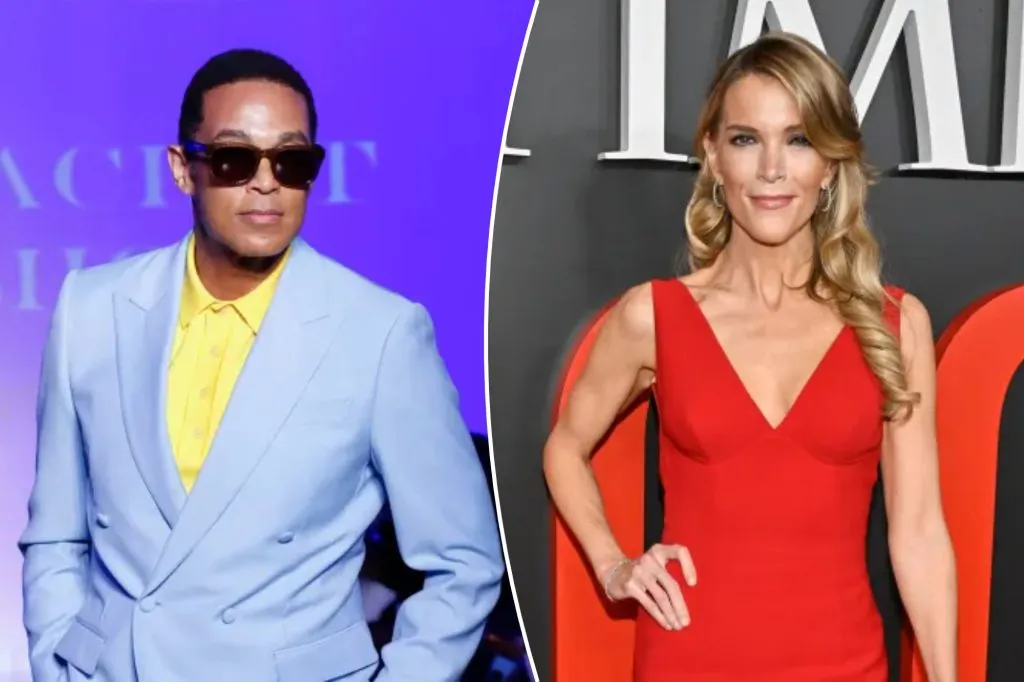
“We’re going to pursue this to the ends of the Earth,” Dhillon said, adding that the refusal to approve the complaint does not mean Lemon will evade accountability.
Dhillon also said a grand jury does not convene again in Minneapolis until next week, meaning the DOJ could attempt again to bring new charges, or appeal Micko’s decision to the chief judge of the U.S. District Court for the District of Minnesota.
Harmeet Dhillon just told Megyn Kelly that the DOJ is still working on bringing Don Lemon to justice and that he has lawyered up.
pic.twitter.com/6HpEfuQiV3
— Vince Langman (@LangmanVince) January 23, 2026
After reviewing Lemon’s own videos from the protest, Dhillon said she believed there are sufficient legal predicates to pursue charges under both the FACE Act and conspiracy statutes. She said federal prosecutors gathered affidavits and evidence to support the case and moved quickly to seek arrest warrants.
Dhillon also did not weigh in on the need for Micko’s recusal or explicitly say the judge should step aside, but she stressed in her interview that magistrate judges serve a limited gatekeeping role focused solely on whether probable cause exists, not on resolving contested legal theories or weighing policy disputes. The DOJ announced the arrest of three additional suspects connected to the church protest this week.
Micko’s rejection of the Lemon complaint came as federal prosecutors have faced repeated resistance from Minnesota judges in protest-related cases tied to a surge in immigration enforcement. At least eight sealed arrest warrants were listed on a federal docket Thursday in connection with the church protest, though only three arrests had been publicly announced, raising questions about whether additional proposed charges were declined.
Attorney General Pam Bondi announced Thursday that Nekima Levy Armstrong, a prominent civil rights attorney and former Minneapolis NAACP leader; Chauntyll Louisa Allen, a St. Paul school board member; and activist William Kelly had been arrested on federal charges stemming from the incident.
In a separate court hearing Friday, U.S. District Judge Laura Provinzino, a Biden appointee, approved the release of Levy Armstrong and Allen on bond, finding there was not a serious risk of flight and imposing travel and contact restrictions.
DOJ ARRESTS NEKIMA LEVY ARMSTRONG AND TWO OTHERS IN MINNESOTA CHURCH STORMING
Lemon, meanwhile, remains free after he was not arrested due to Micko’s declination of the criminal complaint. Lemon has maintained that he entered the church solely to document events as a journalist. His attorney, Abbe Lowell, said the ruling confirms Lemon’s conduct was protected by the First Amendment.
Lowell has represented a number of high-profile defendants since President Donald Trump returned to office last year, including New York Attorney General Letitia James (D) in her now-dismissed federal mortgage fraud case. Lowell notably represented Joe Biden’s son, Hunter Biden, in his criminal tax and firearm-related cases.


