







Hungarian lawmakers approved on Monday a constitutional amendment meant to prevent former Prime Minister Viktor Orban from returning to power.
The parliament approved the change, which caps an individual’s tenure as prime minister at eight years. Anyone who has held the office for that amount of time “cannot be elected prime minister” and cannot run for reelection.
“They have passed the ‘Lex Orbán.’ That was the most pressing issue,” the former prime minister joked in a brief statement after the amendment was passed. “If I am needed, I will be here.”
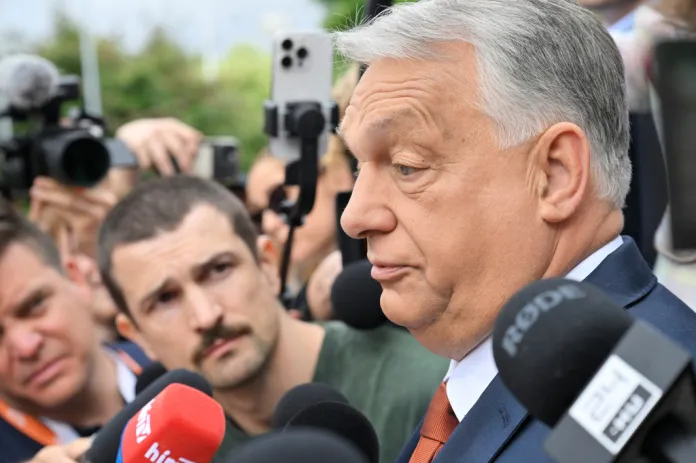
His supporters have cried foul about the constitutional change, claiming the “Orban law” is an illicit use of government power to suppress opposition — a charge frequently lobbed at Orban during his time in office. Additionally, some claim the law cannot be applied retroactively to past leaders.
“In practice, this is tailored to Viktor Orban, he is the only person this constitutional amendment applies to,” European parliament member Laszlo Andras complained. “Liberals preach democracy and apply legal means to exclude top challengers, instead of winning the argument and popular support.”
Orban led the nation’s government from 1998 to 2002 and then again from 2010 to 2026. His party, Fidesz, was toppled in the April parliamentary elections after 16 years in power.
Prime Minister Peter Magyar, who ran against Orban as the Tisza Party candidate, has made it his mission to oust from government all officials who remain politically aligned with the former leader. That list of persona non grata extends all the way to Hungary’s Fidesz-aligned head of state.
Magyar is demanding President Tamas Sulyok resign from his office or face a constitutional amendment that will force him out. Sulyok, who was elected by parliament with Fidesz backing in 2024, has refused.
“It is entirely unprecedented for a Prime Minister to call on the President to resign – repeatedly, consistently, and solely for political reasons – and to threaten consequences,” Sulyok said in a statement last week. “To me, this suggests an intention to rewrite the constitutional order solely for political reasons.”
He added: “Such actions constitute a threat not just to the constitutional order, but also to the entire democratic system and the rule of law. Neither democracy nor the rule of law can be based on threats.”
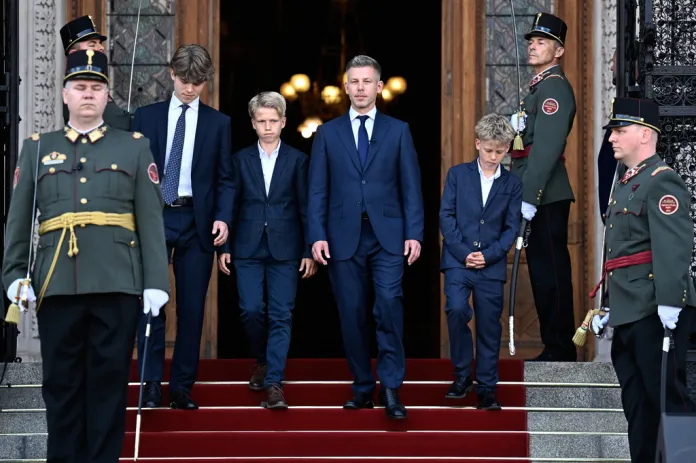
The president has repeatedly stated he is willing to cooperate with Magyar, but the Tisza party believes his connection to Fidesz compromises his position and fails to embody national unity.
UKRAINE REOPENS RUSSIAN OIL PIPELINE AS HUNGARY WITHDRAWS VETO ON $105 BILLION LOAN FOR KYIV
“Hungary does not belong to Tamas Sulyok, nor to Viktor Orban. It doesn’t belong to a single party or political system,” Magyar said last week. “The constitution states quite clearly that the president showcases the unity of the nation and guards the democratic functioning of the state.”
Magyar and his party are also seeking to dissolve the country’s Sovereignty Protection Office, an agency set up by Fidesz that aimed to combat “undue political influence” by foreign actors.
The prime minister claims the SPO “performs no actual public duty” and is instead a political enterprise aimed at suppressing dissidents.


