







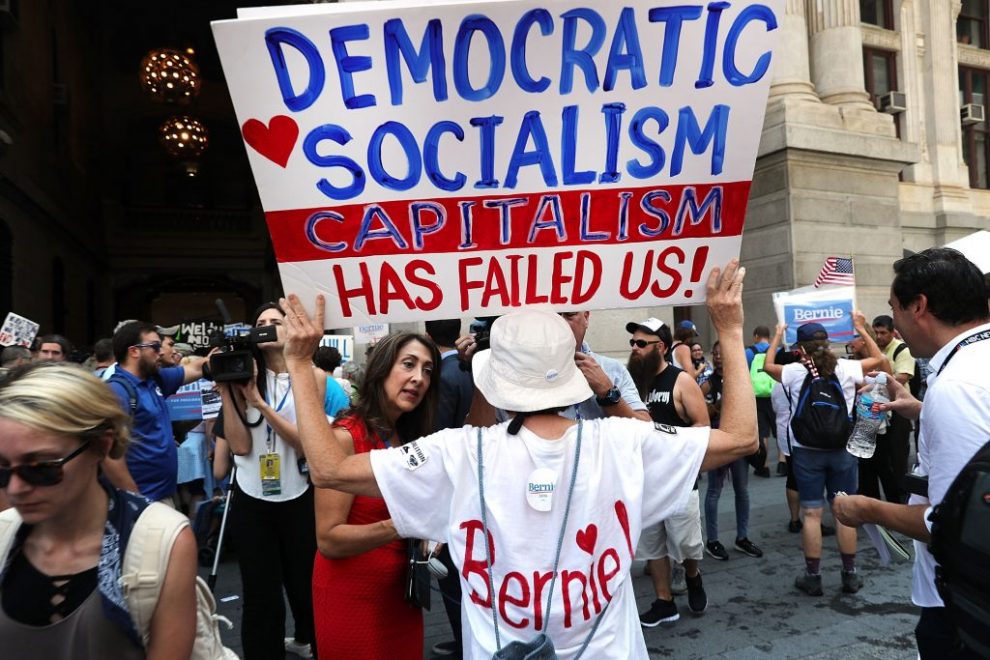
WASHINGTON, D.C. — Americans today are more closely divided than they were earlier in the last century when asked whether some form of socialism would be a good or bad thing for the country. While 51% of U.S. adults say socialism would be a bad thing for the country, 43% believe it would be a good thing. Those results contrast with a 1942 Roper/Fortune survey that found 40% describing socialism as a bad thing, 25% a good thing and 34% not having an opinion.
The Roper/Fortune survey is one of the oldest trend questions measuring attitudes on socialism in the U.S. Gallup’s update of the question in an April 17-30 survey finds Americans more likely to have an opinion on the matter now, as well as a smaller gap in the percentage calling socialism a bad thing vs. a good thing.
Previous Gallup research shows that Americans’ definition of socialism has changed over the years, with nearly one in four now associating the concept with social equality and 17% associating it with the more classical definition of having some degree of government control over the means of production. A majority of Democrats have said they view socialism positively in Gallup polling since 2010, including 57% in the most recent measure in 2018.
Outlook on Socialism Around the World
Watch: Outrageous Pro-El-Sayed Ad Blames Jewish State for Raising Price of Bananas, Eggs in Michigan
Haitian illegal immigrant charged in Walmart killing entered US via Biden parole program: DHS
Flavio Bolsonaro to be issued visa by State Department after fleeing Brazil
Right-Wing Presidential Candidate Flavio Bolsonaro Secretly Flees Brazil for US After Disputed Election: Report
Luxury real estate brothers sentenced to 30 years in prison for yearslong sex-trafficking scheme
Judge who apologized to accused would-be Trump assassin lights up DOJ in Hunter Biden FBI case
Jordanian Military Goes After Targets in Syria in Response to Terrorists Killing Christians
‘Beloved’ daredevils who scaled Empire State Building inching toward deal after proposal stunt: attorney
Judge slams federal prosecutors over new charges against ex-FBI officials
DHS Shuts Down Major Chinese Birth Tourism Loophole in US Pacific Territory
175 Democrats demand Trump admin stop Ilhan Omar investigation, warn it could hurt her re-election bid
Shouting match erupts at UN as Cuban foreign minister moves toward US ambassador’s podium: ‘Back up!’
Trump administration ‘monitoring’ leftist organizers ignoring new terrorism sanctions: State Department official
90 Percent of Largest United Methodist Church Congregation Votes to Leave Denomination – But It Won’t Be Easy
Hundreds of staged armed robberies helped thousands pose as crime victims in US immigration scam: DOJ

The April 17-30 survey also updates another historical question on socialism. Gallup first asked Americans in 1949 about their outlook on the spread of democracy over the next 50 years. At that time, seven in 10 Americans (72%) predicted that most countries in the world would have a democratic government. It’s important to note that in much of the political rhetoric of the time, the terms democracy and capitalism were more intimately intertwined than they are today, perhaps synonymous to many.
| 1949 | 2019 | Change | |||||||||||||||||||||||||||||||||||||||||||||||||||||||||||||||||||||||||||||||||||||||||||||||||
|---|---|---|---|---|---|---|---|---|---|---|---|---|---|---|---|---|---|---|---|---|---|---|---|---|---|---|---|---|---|---|---|---|---|---|---|---|---|---|---|---|---|---|---|---|---|---|---|---|---|---|---|---|---|---|---|---|---|---|---|---|---|---|---|---|---|---|---|---|---|---|---|---|---|---|---|---|---|---|---|---|---|---|---|---|---|---|---|---|---|---|---|---|---|---|---|---|---|---|---|
| % | % | pct. pts. | |||||||||||||||||||||||||||||||||||||||||||||||||||||||||||||||||||||||||||||||||||||||||||||||||
| Democratic | 72 | 57 | -15 | ||||||||||||||||||||||||||||||||||||||||||||||||||||||||||||||||||||||||||||||||||||||||||||||||
| Socialist | 14 | 29 | +15 | ||||||||||||||||||||||||||||||||||||||||||||||||||||||||||||||||||||||||||||||||||||||||||||||||
| Communist | 9 | 6 | -3 | ||||||||||||||||||||||||||||||||||||||||||||||||||||||||||||||||||||||||||||||||||||||||||||||||
| No opinion | 5 | 8 | +3 | ||||||||||||||||||||||||||||||||||||||||||||||||||||||||||||||||||||||||||||||||||||||||||||||||
| GALLUP | |||||||||||||||||||||||||||||||||||||||||||||||||||||||||||||||||||||||||||||||||||||||||||||||||||
The current update on this question finds a marked increase in the percentage saying that most countries during the next 50 years will have a socialist government (29%). It is unclear whether this is due to the flourishing of democracies — particularly in Europe and Latin America — led by what are often described as social democrats, or whether a fundamental shift is taking place among some Americans in their views of socialism.
Government vs. Free Market
Watch: Outrageous Pro-El-Sayed Ad Blames Jewish State for Raising Price of Bananas, Eggs in Michigan
Haitian illegal immigrant charged in Walmart killing entered US via Biden parole program: DHS
Flavio Bolsonaro to be issued visa by State Department after fleeing Brazil
Right-Wing Presidential Candidate Flavio Bolsonaro Secretly Flees Brazil for US After Disputed Election: Report
Luxury real estate brothers sentenced to 30 years in prison for yearslong sex-trafficking scheme
Judge who apologized to accused would-be Trump assassin lights up DOJ in Hunter Biden FBI case
Jordanian Military Goes After Targets in Syria in Response to Terrorists Killing Christians
‘Beloved’ daredevils who scaled Empire State Building inching toward deal after proposal stunt: attorney
Judge slams federal prosecutors over new charges against ex-FBI officials
DHS Shuts Down Major Chinese Birth Tourism Loophole in US Pacific Territory
175 Democrats demand Trump admin stop Ilhan Omar investigation, warn it could hurt her re-election bid
Shouting match erupts at UN as Cuban foreign minister moves toward US ambassador’s podium: ‘Back up!’
Trump administration ‘monitoring’ leftist organizers ignoring new terrorism sanctions: State Department official
90 Percent of Largest United Methodist Church Congregation Votes to Leave Denomination – But It Won’t Be Easy
Hundreds of staged armed robberies helped thousands pose as crime victims in US immigration scam: DOJ
In the same April survey, Gallup asked Americans whether they would prefer mostly free market or government control over several economic and societal activities. Americans are most likely to prefer free market control in the areas of technological innovation and the distribution of wealth. Majorities also want the free market to drive the economy overall, wages, higher education and healthcare.
Preference for the government to serve as the primarily responsible actor only garners majority support for protecting online consumer privacy and the environment.
| Free market | Government | Net “free market” | |||||||||||||||||||||||||||||||||||||||||||||||||||||||||||||||||||||||||||||||||||||||||||||||||
|---|---|---|---|---|---|---|---|---|---|---|---|---|---|---|---|---|---|---|---|---|---|---|---|---|---|---|---|---|---|---|---|---|---|---|---|---|---|---|---|---|---|---|---|---|---|---|---|---|---|---|---|---|---|---|---|---|---|---|---|---|---|---|---|---|---|---|---|---|---|---|---|---|---|---|---|---|---|---|---|---|---|---|---|---|---|---|---|---|---|---|---|---|---|---|---|---|---|---|---|
| % | % | pct. pts. | |||||||||||||||||||||||||||||||||||||||||||||||||||||||||||||||||||||||||||||||||||||||||||||||||
| Technological innovation | 75 | 19 | +56 | ||||||||||||||||||||||||||||||||||||||||||||||||||||||||||||||||||||||||||||||||||||||||||||||||
| The distribution of wealth | 68 | 28 | +40 | ||||||||||||||||||||||||||||||||||||||||||||||||||||||||||||||||||||||||||||||||||||||||||||||||
| The economy overall | 62 | 33 | +29 | ||||||||||||||||||||||||||||||||||||||||||||||||||||||||||||||||||||||||||||||||||||||||||||||||
| Wages | 62 | 35 | +27 | ||||||||||||||||||||||||||||||||||||||||||||||||||||||||||||||||||||||||||||||||||||||||||||||||
| Higher education | 56 | 41 | +15 | ||||||||||||||||||||||||||||||||||||||||||||||||||||||||||||||||||||||||||||||||||||||||||||||||
| Healthcare | 53 | 44 | +9 | ||||||||||||||||||||||||||||||||||||||||||||||||||||||||||||||||||||||||||||||||||||||||||||||||
| Protecting consumers’ privacy online | 40 | 57 | -17 | ||||||||||||||||||||||||||||||||||||||||||||||||||||||||||||||||||||||||||||||||||||||||||||||||
| Environmental protection | 30 | 66 | -36 | ||||||||||||||||||||||||||||||||||||||||||||||||||||||||||||||||||||||||||||||||||||||||||||||||
| GALLUP, APRIL 17-30, 2019 | |||||||||||||||||||||||||||||||||||||||||||||||||||||||||||||||||||||||||||||||||||||||||||||||||||
Notably, more Americans favor free market than government control over healthcare and higher education, two areas in which Democratic politicians have made proposals to greatly expand government involvement. But at least four in 10 Americans appear sympathetic to policies that would increase the government’s role in those areas.
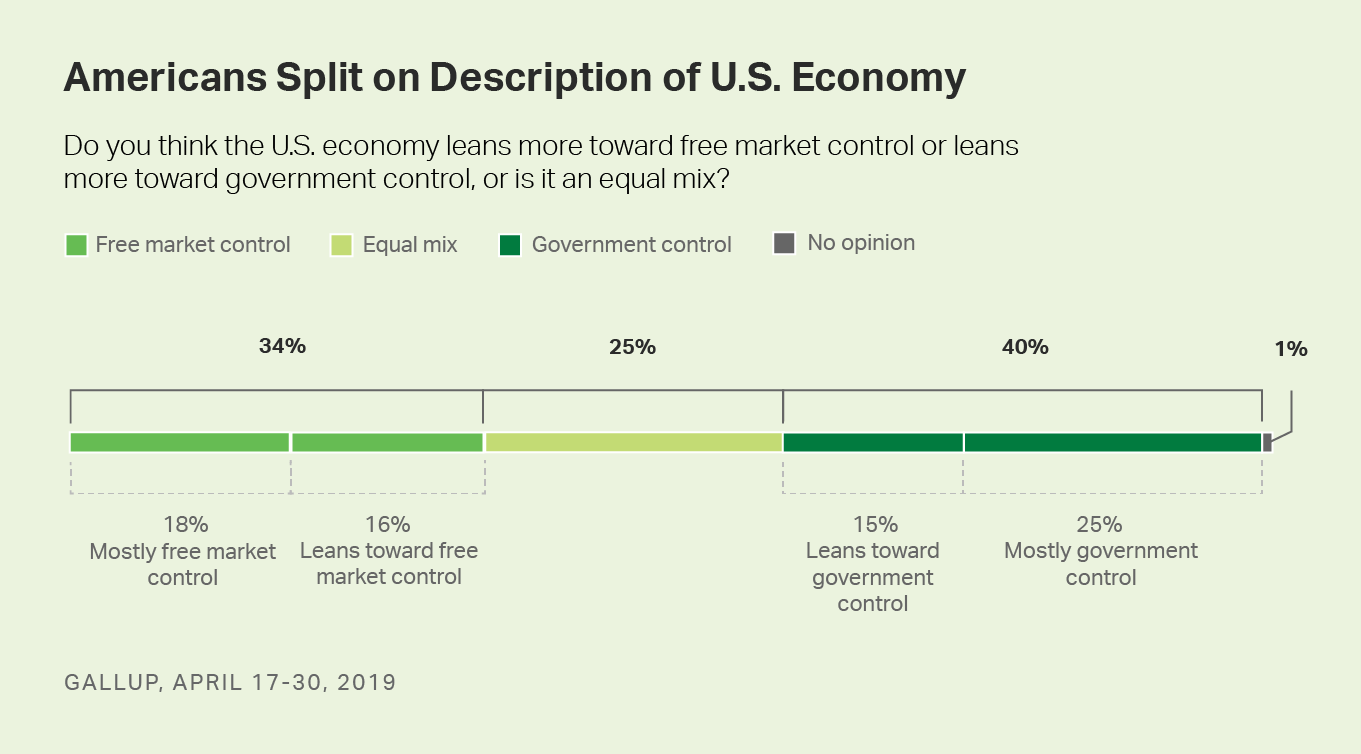
While there is ample support for a market-driven approach to many of the issues cited above, Americans are divided on how they describe the current state of the U.S. economy. When asked whether they think the U.S. economy leans more toward free market control or toward government control, 40% say it leans more toward government control while fewer say it leans toward free market control (34%). One in four describe it as an equal mix.
Bottom Line
Watch: Outrageous Pro-El-Sayed Ad Blames Jewish State for Raising Price of Bananas, Eggs in Michigan
Haitian illegal immigrant charged in Walmart killing entered US via Biden parole program: DHS
Flavio Bolsonaro to be issued visa by State Department after fleeing Brazil
Right-Wing Presidential Candidate Flavio Bolsonaro Secretly Flees Brazil for US After Disputed Election: Report
Luxury real estate brothers sentenced to 30 years in prison for yearslong sex-trafficking scheme
Judge who apologized to accused would-be Trump assassin lights up DOJ in Hunter Biden FBI case
Jordanian Military Goes After Targets in Syria in Response to Terrorists Killing Christians
‘Beloved’ daredevils who scaled Empire State Building inching toward deal after proposal stunt: attorney
Judge slams federal prosecutors over new charges against ex-FBI officials
DHS Shuts Down Major Chinese Birth Tourism Loophole in US Pacific Territory
175 Democrats demand Trump admin stop Ilhan Omar investigation, warn it could hurt her re-election bid
Shouting match erupts at UN as Cuban foreign minister moves toward US ambassador’s podium: ‘Back up!’
Trump administration ‘monitoring’ leftist organizers ignoring new terrorism sanctions: State Department official
90 Percent of Largest United Methodist Church Congregation Votes to Leave Denomination – But It Won’t Be Easy
Hundreds of staged armed robberies helped thousands pose as crime victims in US immigration scam: DOJ
Americans’ views on socialism are complex. While some recent data can easily lend to overstated conclusions, there are marked changes in Americans’ views of socialism when taking a longer, more historical look at the data. However, exactly what Americans mean by the term is nuanced and multifaceted. While half of Americans consider socialism as bad for the country, nearly two-thirds say that the U.S. economy is more influenced by the government than the free market, or that it reflects an equal mix of the two.
Additionally, while a majority of Democrats view socialism positively, that is not a major change in the eight years Gallup has tracked this metric. The major shift over this time has been the reduced rate of Democrats who now view capitalism positively (47%).
These data alone make it hard to generalize a simplistic conclusion about Americans’ opinions of, and willingness to entertain, socialism. But there are a few clear takeaways. About four in 10 Americans are accepting of some form of socialism or socialist policies, and Democrats currently have a more positive view of socialism than capitalism. In addition, the April survey found that 47% of Americans say they would vote for a socialist candidate for president. While that figure represents nearly half of the U.S. adult population, even higher percentages say they would vote for an atheist (58%) or Muslim (60%) presidential candidate.
However, when they are asked what role they would like to see the government play in certain areas of society, Americans continue to endorse the free market.
Watch: Outrageous Pro-El-Sayed Ad Blames Jewish State for Raising Price of Bananas, Eggs in Michigan
Haitian illegal immigrant charged in Walmart killing entered US via Biden parole program: DHS
Flavio Bolsonaro to be issued visa by State Department after fleeing Brazil
Right-Wing Presidential Candidate Flavio Bolsonaro Secretly Flees Brazil for US After Disputed Election: Report
Luxury real estate brothers sentenced to 30 years in prison for yearslong sex-trafficking scheme
Judge who apologized to accused would-be Trump assassin lights up DOJ in Hunter Biden FBI case
Jordanian Military Goes After Targets in Syria in Response to Terrorists Killing Christians
‘Beloved’ daredevils who scaled Empire State Building inching toward deal after proposal stunt: attorney
Judge slams federal prosecutors over new charges against ex-FBI officials
DHS Shuts Down Major Chinese Birth Tourism Loophole in US Pacific Territory
175 Democrats demand Trump admin stop Ilhan Omar investigation, warn it could hurt her re-election bid
Shouting match erupts at UN as Cuban foreign minister moves toward US ambassador’s podium: ‘Back up!’
Trump administration ‘monitoring’ leftist organizers ignoring new terrorism sanctions: State Department official
90 Percent of Largest United Methodist Church Congregation Votes to Leave Denomination – But It Won’t Be Easy
Hundreds of staged armed robberies helped thousands pose as crime victims in US immigration scam: DOJ
Shifting attitudes about socialism, capitalism, and the current economic and political systems in America — as well as what alternatives many see as solutions for current shortcomings — will continue to be a major focus for Gallup.
Story cited here.


