




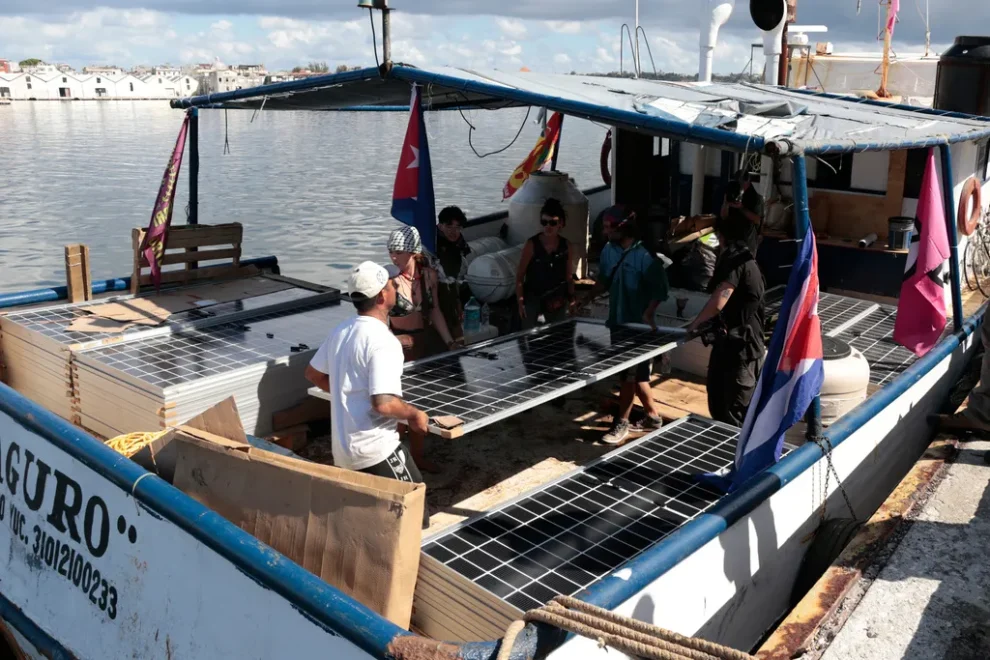
The first of three ships carrying food, medical supplies, solar panels, and other humanitarian aid arrived in Cuba on Tuesday, three days behind schedule, as the island grapples with a worsening economic and energy crisis.
The vessel, named Granma 2.0 after the yacht that carried Fidel Castro from Mexico to Cuba in 1956, was accompanied by activist Thiago Avila and escorted by the Mexican Navy until it reached Cuban waters.
“From Gaza to Havana, the struggle is one and the same: against imperialism and Zionism, and for the dignity of the free peoples of the world,” Avila said in a statement posted on X.
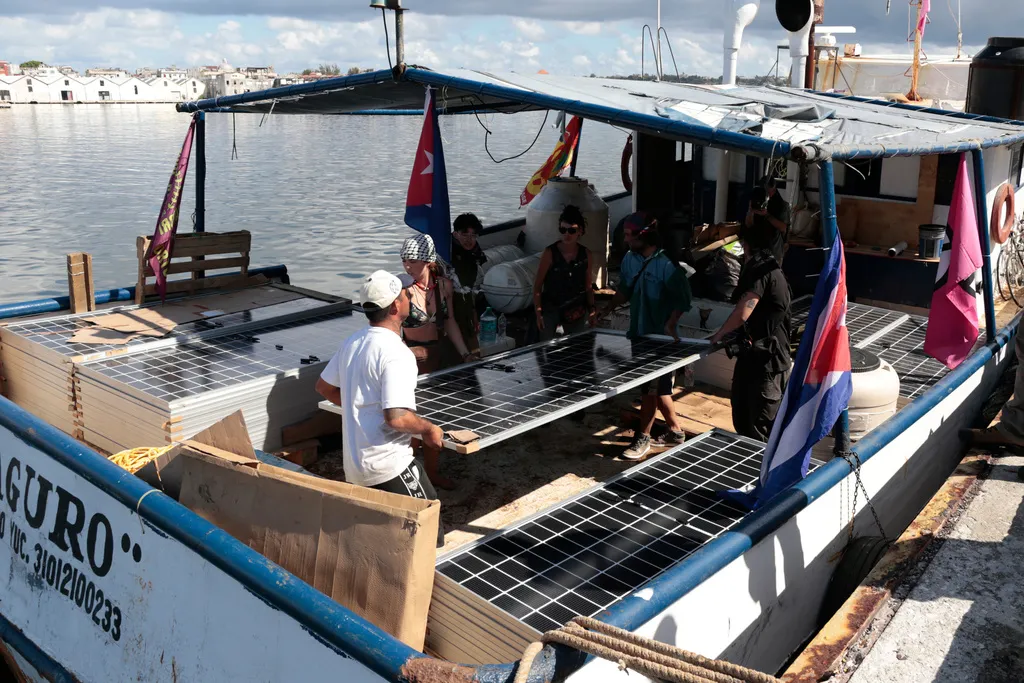
The shipment is part of the “Our America Convoy to Cuba,” an initiative that brought together roughly 650 delegates from 33 countries and 120 organizations. The group delivered about 20 tons of humanitarian aid to the island last week.
AMERICAN COMMUNISTS HEAD TO HAVANA TO SHILL FOR CUBA’S COMMUNIST REGIME
Cuba’s crisis has been exacerbated by a tightening energy embargo imposed by President Donald Trump in late January, aimed at pressuring political change on the island. The restrictions have compounded years of economic strain tied to long-standing U.S. sanctions.
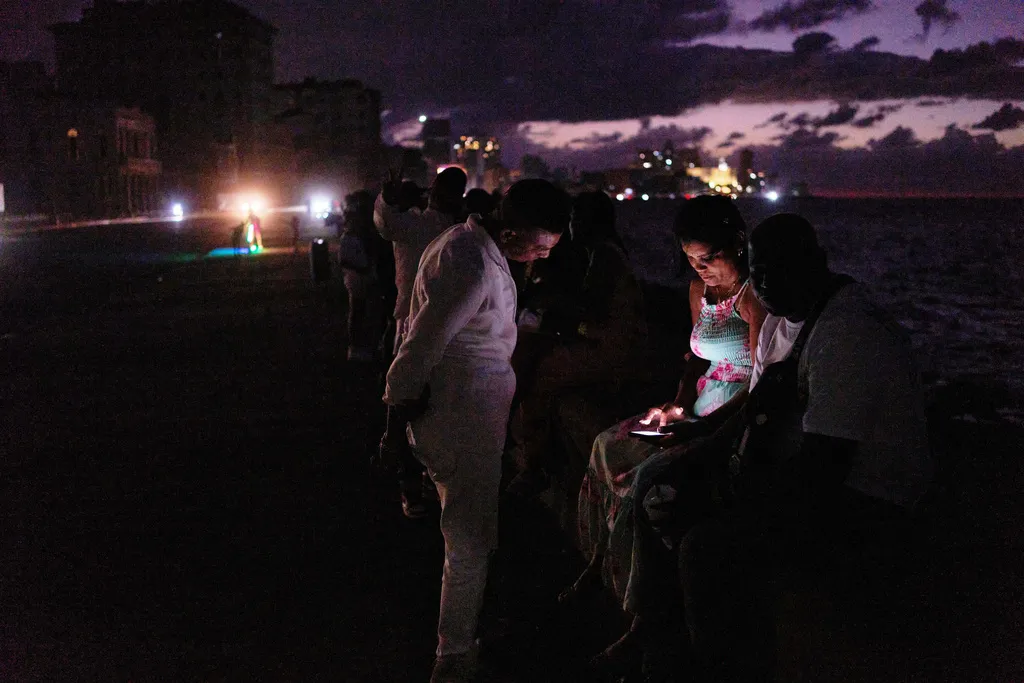
As a result, the country’s roughly 11 million residents have faced escalating disruptions to an already fragile electrical grid. Fuel shortages, driven by the blockade and energy trade restrictions, have culminated in two island-wide blackouts in recent days.
“For three months, no fuel ships have arrived,” Cuban President Miguel Diaz-Canel said earlier this month. “We are working under very adverse conditions that are having an impact on the lives of all our people.”
Cuba produces only about 40% of the fuel it needs.
MARKWAYNE MULLIN CONFIRMED AS DHS SECRETARY WITH SUPPORT FROM TWO DEMOCRATS
Meanwhile, Russia appears to be taking advantage of Cuba’s situation. A Russian-flagged oil tanker carrying an estimated 730,000 barrels of crude is reportedly crossing the Atlantic Ocean with a likely destination of Cuba.
“Russia loves to poke us in the eye,” said Lawrence Gumbiner, who led the U.S. Embassy in Havana during Trump’s first term, in comments to Politico. Still, he added, Moscow is not “serious about coming to Cuba’s rescue.”


